18.09.2026
Lifelines Supports CORD at Ganga Aarti on the Thames
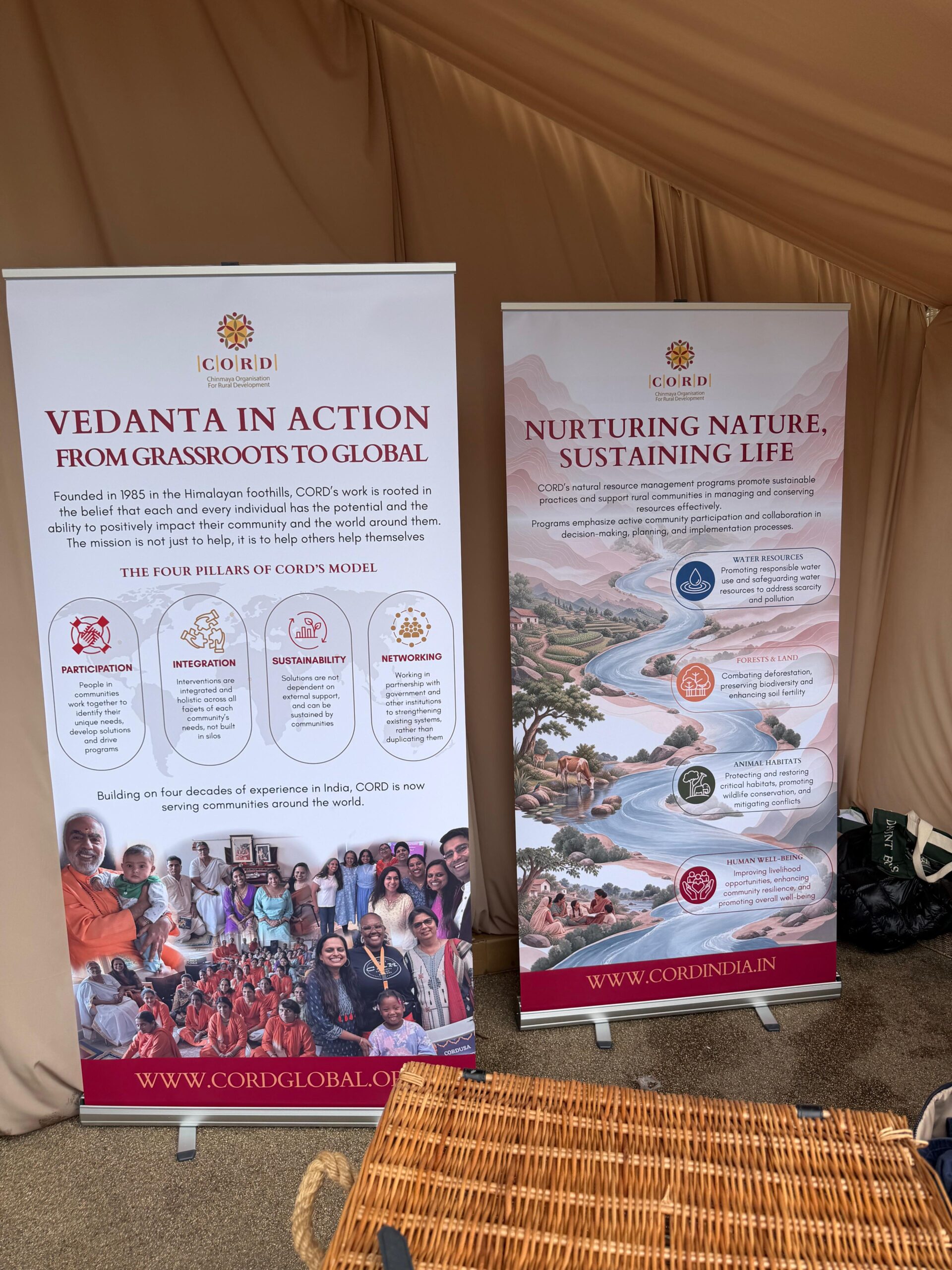
The Chinmaya Organisation for Rural Development (CORD) works alongside rural communities to build lasting, self-enabled change. Founded in the Himalayan foothills, CORD’s approach is rooted in participation, integration, networking and sustainability, with communities themselves at the heart of identifying challenges, developing solutions and creating change.
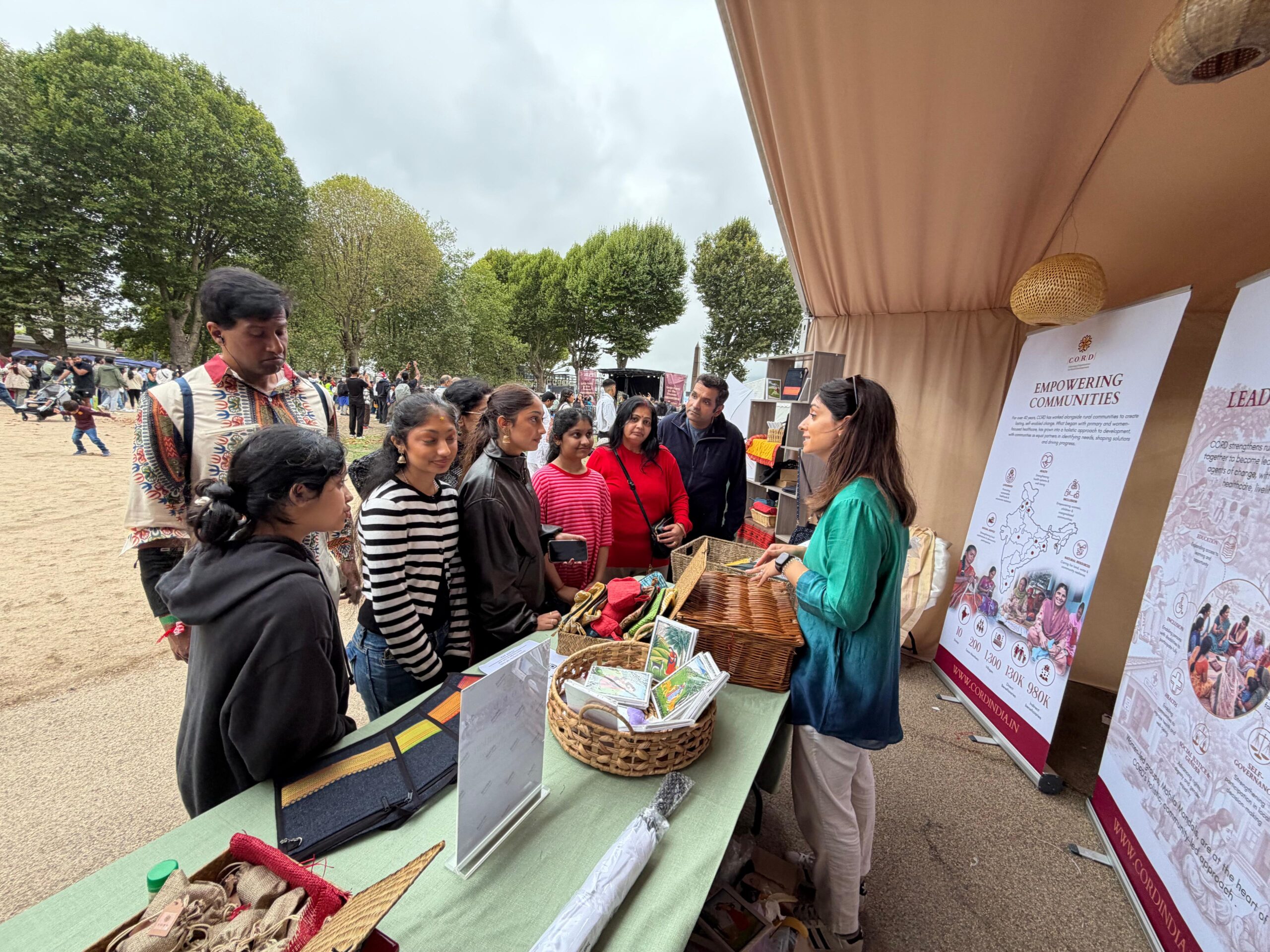
Today, CORD works across 10 states, 1,287 villages and 258 Gram Panchayats, with 131,000 direct beneficiaries and 979,000 indirect beneficiaries.
A central part of this work is CORD’s Mahila Mandals — community groups that bring rural women together to build confidence, identify local priorities and take collective action. Through these groups, women become leaders within their families and communities, contributing to livelihoods, health, inclusion, self-governance and natural resource management.
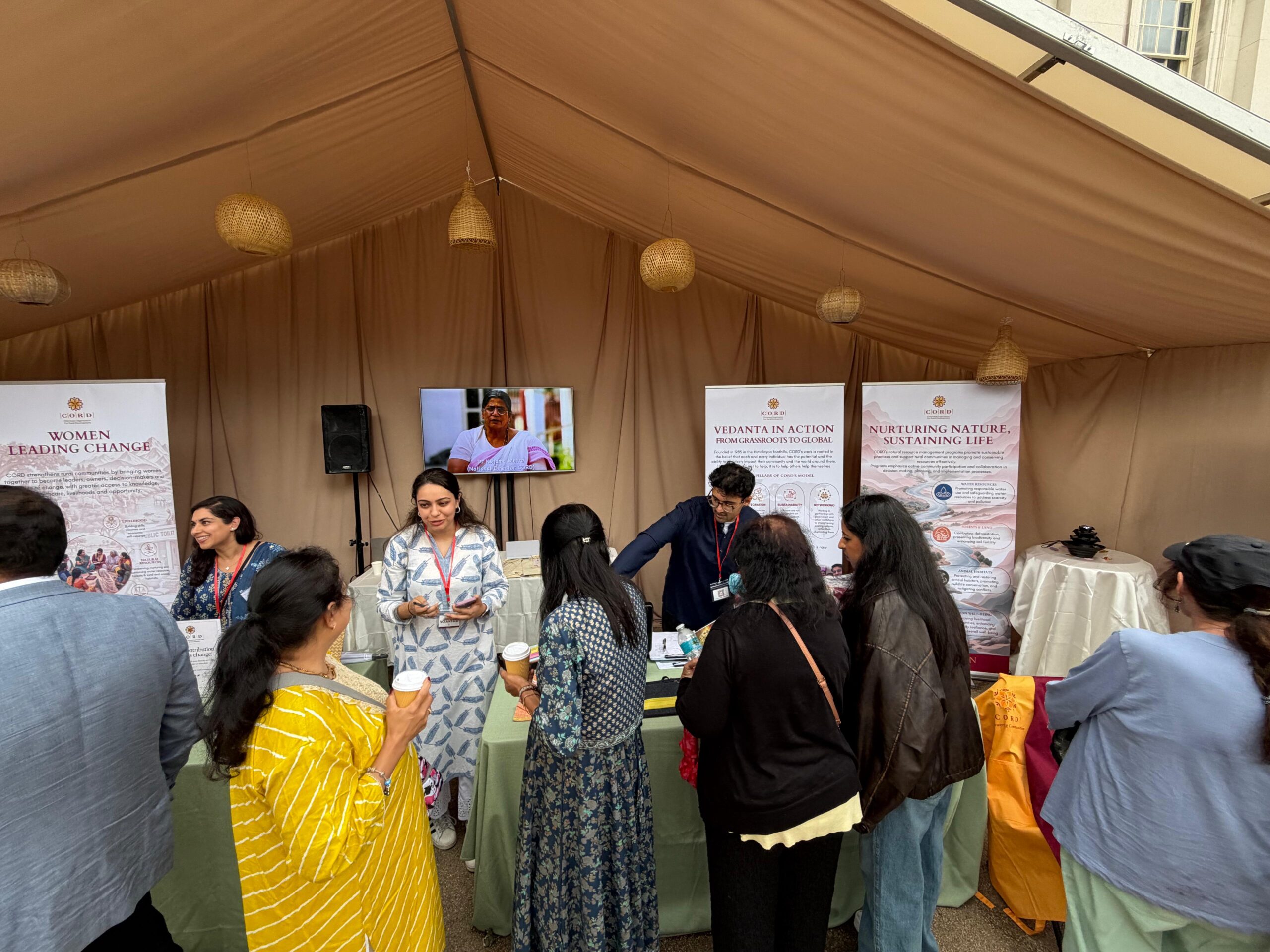
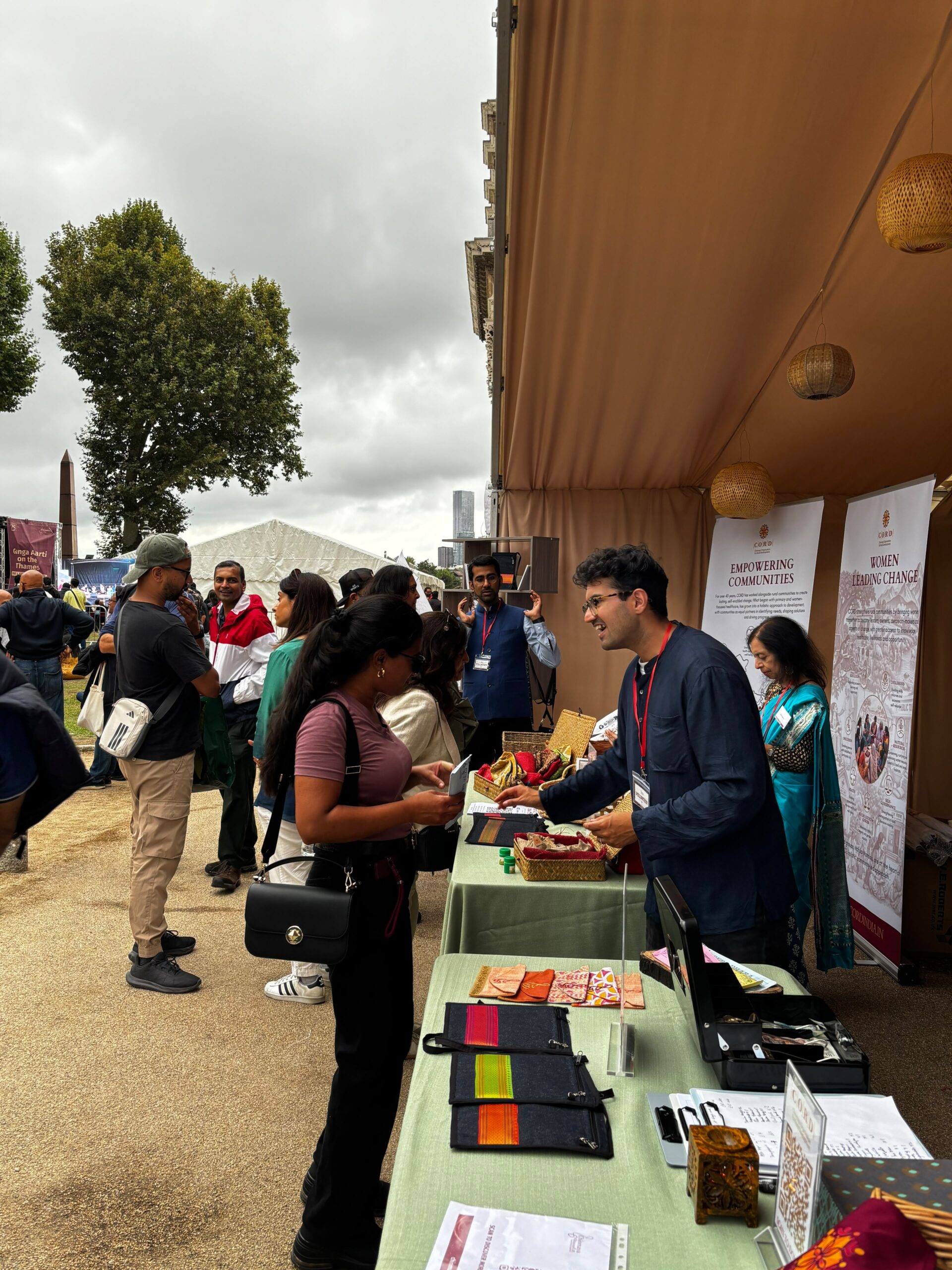
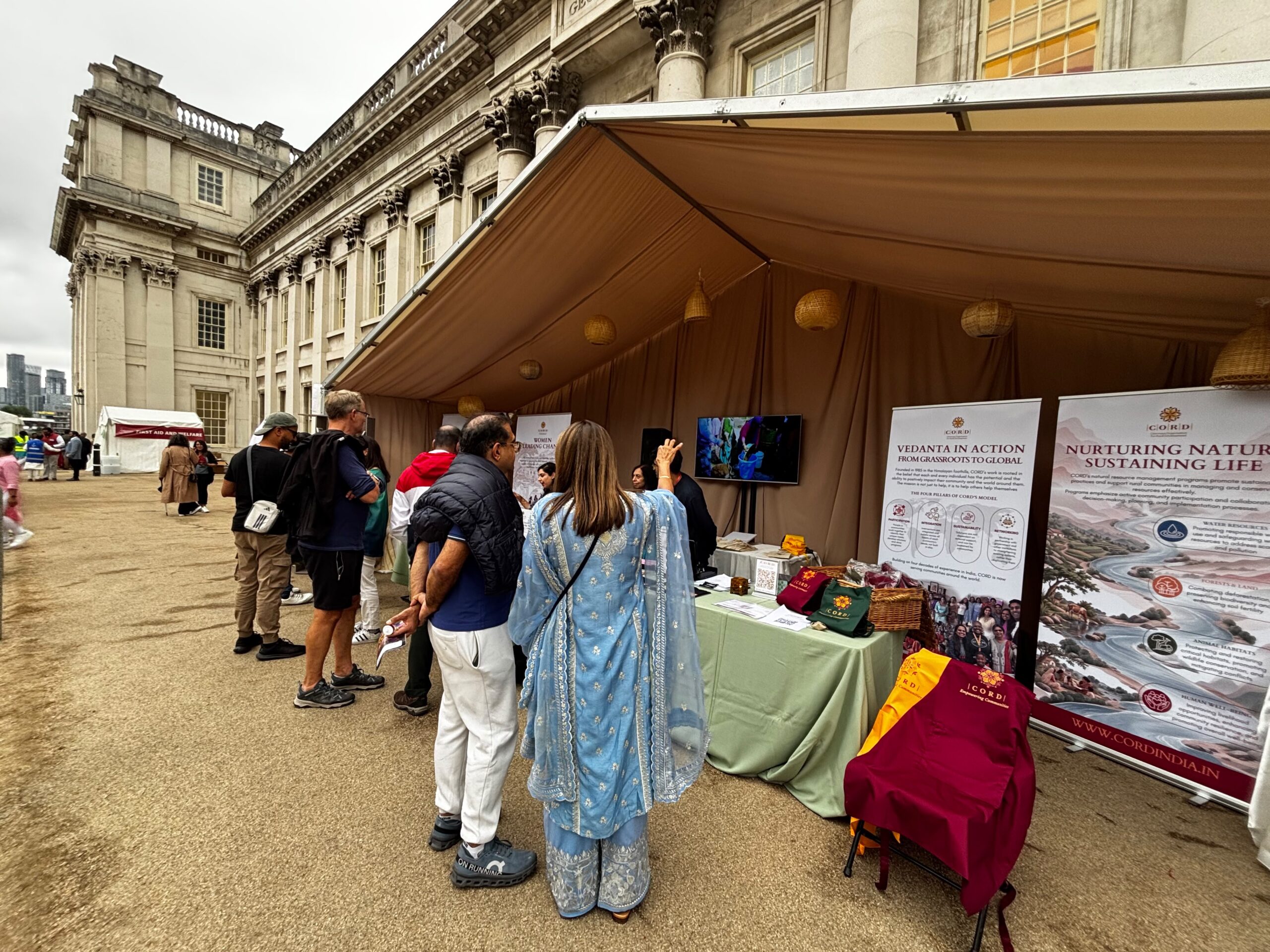
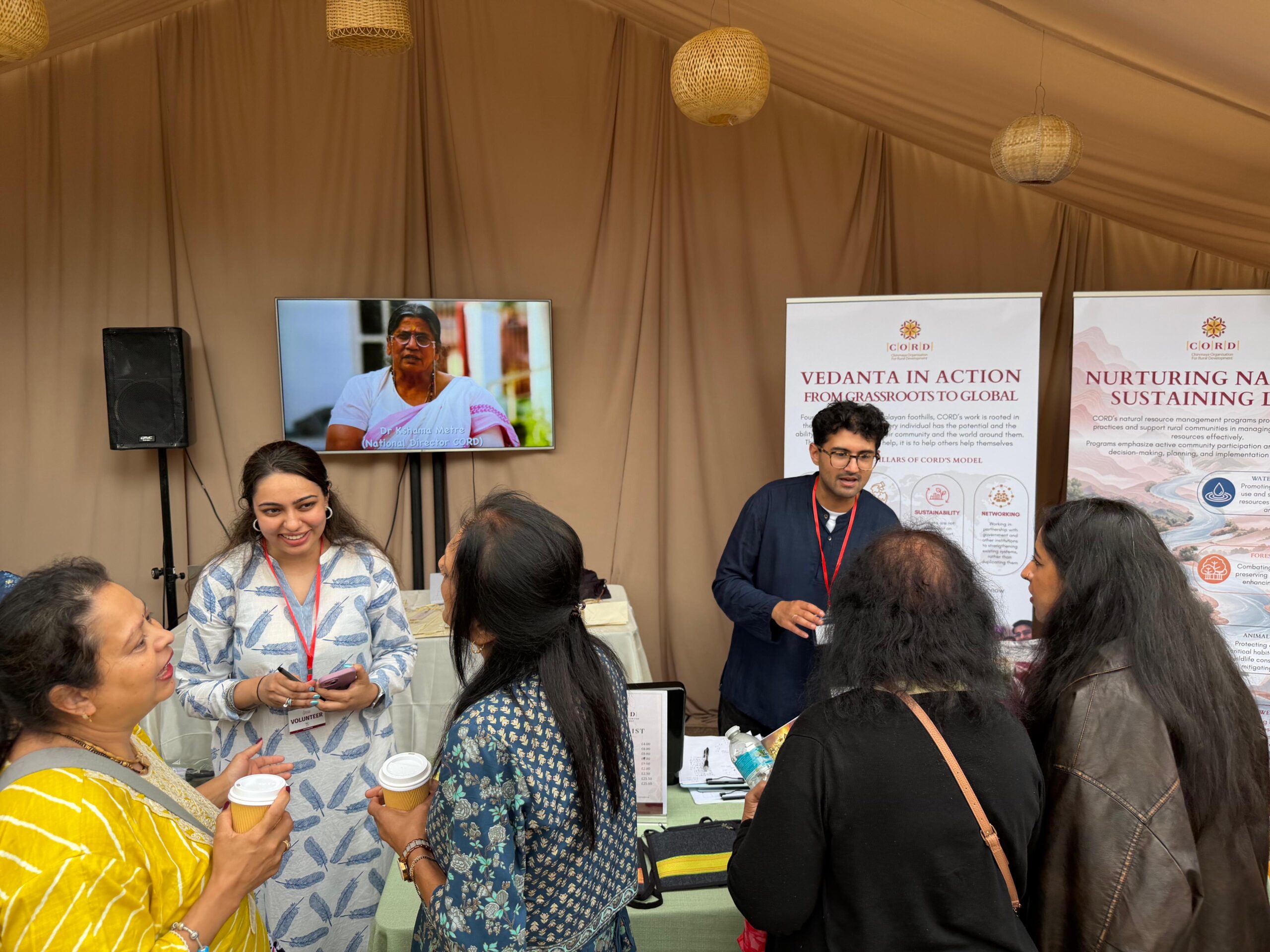
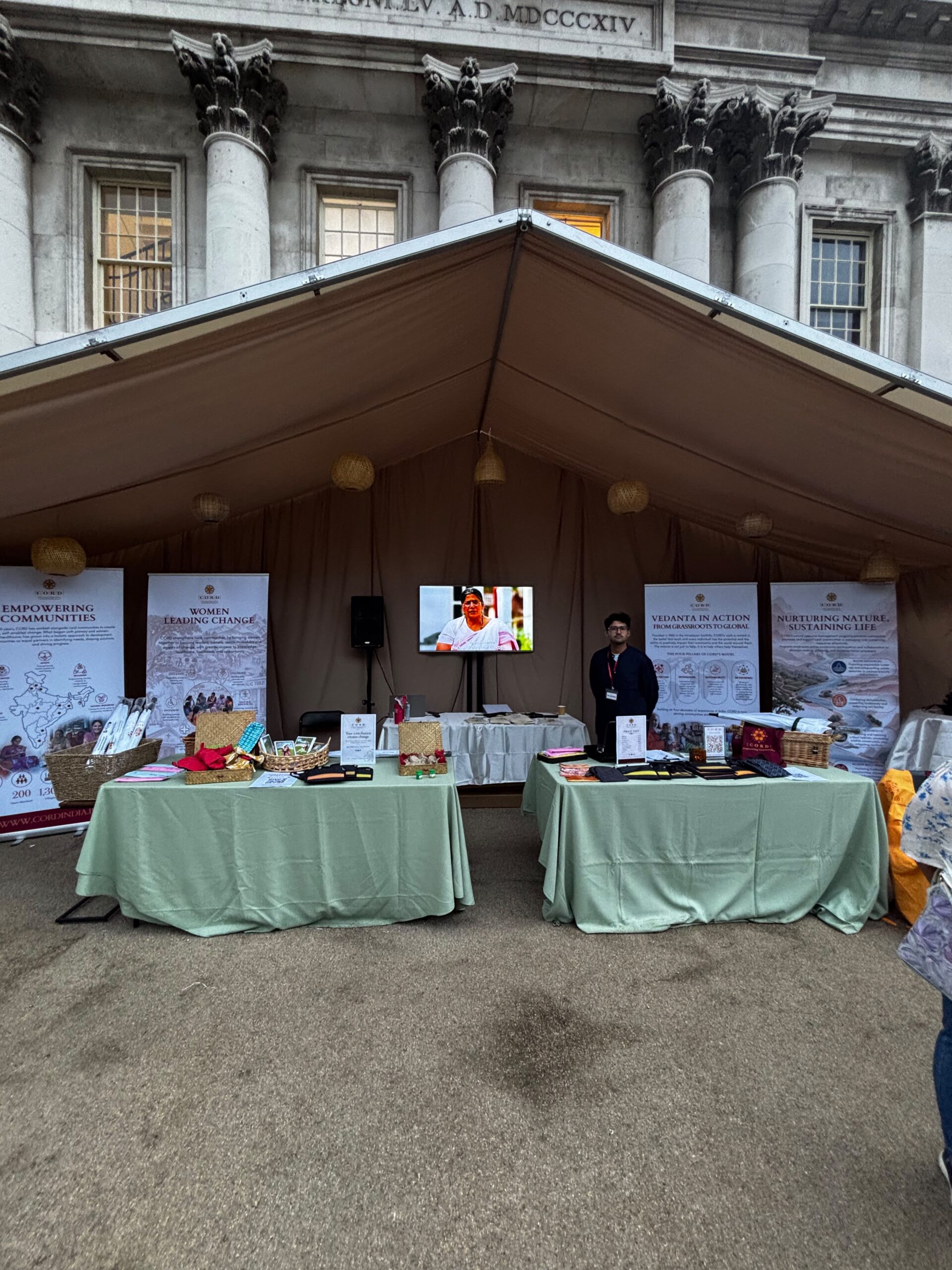
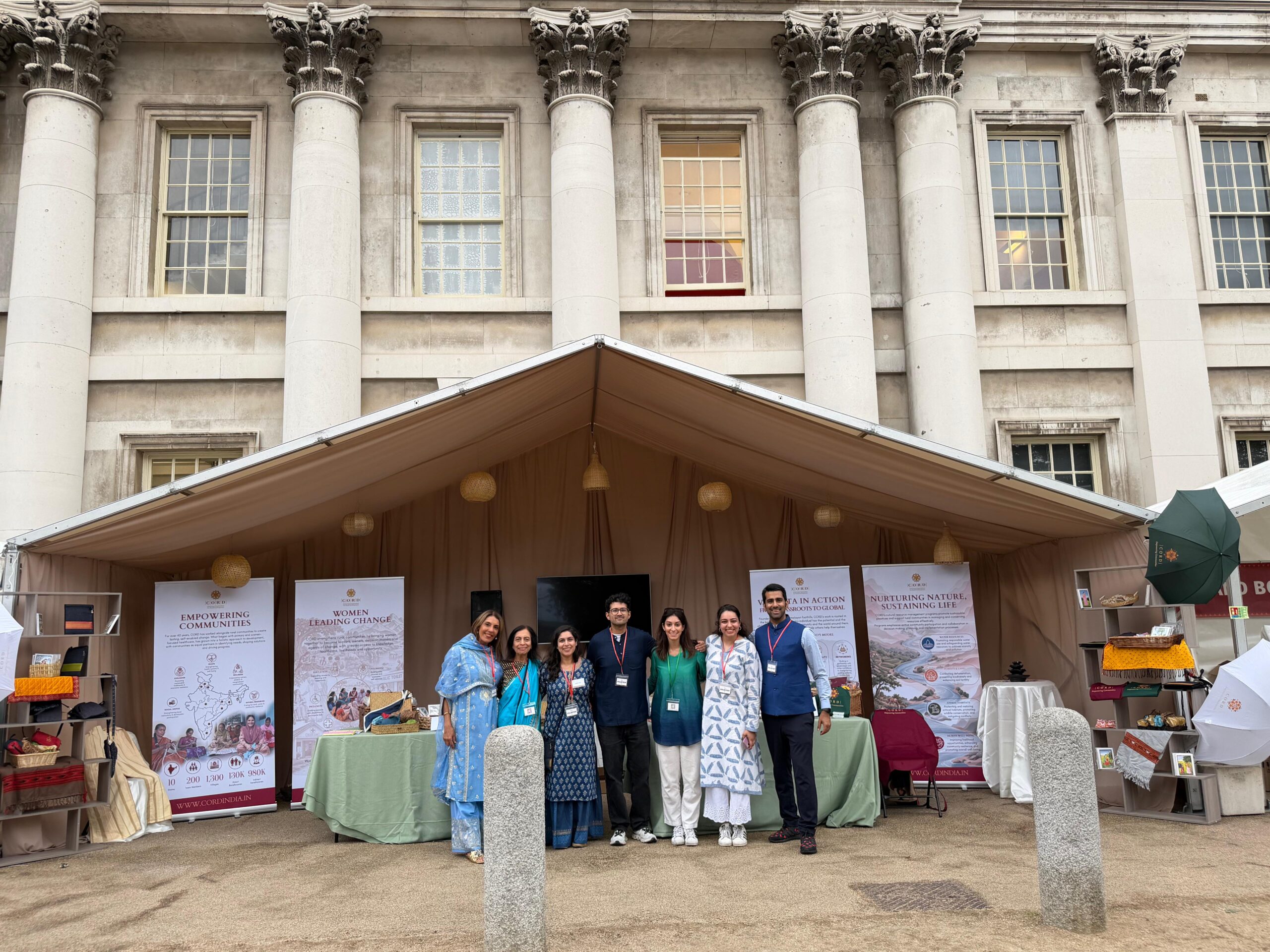
The CORD stall gave visitors an opportunity to learn about this work through stories, photographs and displays, while also showcasing products connected to CORD’s rural communities and livelihoods.
From protecting water to empowering women
One of the stories highlighted at the stall was CORD’s work in water conservation.
Through its Springshed approach, CORD works with Himalayan communities to understand and protect natural springs — vital sources of water for rural communities. The work brings together local knowledge, community participation and conservation, helping communities protect their water resources for the future.
The stall also highlighted the people behind this work, including women such as Shalu Devi, a community leader who has helped lead grassroots efforts to protect and preserve water resources through CORD’s Springshed water conservation model in collaboration with NABARD.
These stories capture something fundamental to CORD’s approach: lasting change happens when communities have the knowledge, confidence and opportunity to lead it themselves.
CORD’s vision beyond India
The stall also introduced visitors to CORD Global, which seeks to take CORD’s four-pillar model beyond rural India and into communities around the world.
The four pillars — Participation, Integration, Networking and Sustainability — provide a framework for communities to identify their own needs, work collaboratively, strengthen local leadership and build solutions that can endure.
Through CORD Global, the principles developed through decades of grassroots work in India are being shared with communities internationally, demonstrating that community-led development can transcend geographical boundaries.
A shared spirit of service
For Lifelines, supporting the CORD stall was a natural extension of the values at the heart of the organization: supporting initiatives that strengthen people, communities and the world around us.
The CORD stall provided a space for conversations — allowing visitors not simply to learn about an organization, but to understand how service can create meaningful and lasting change.
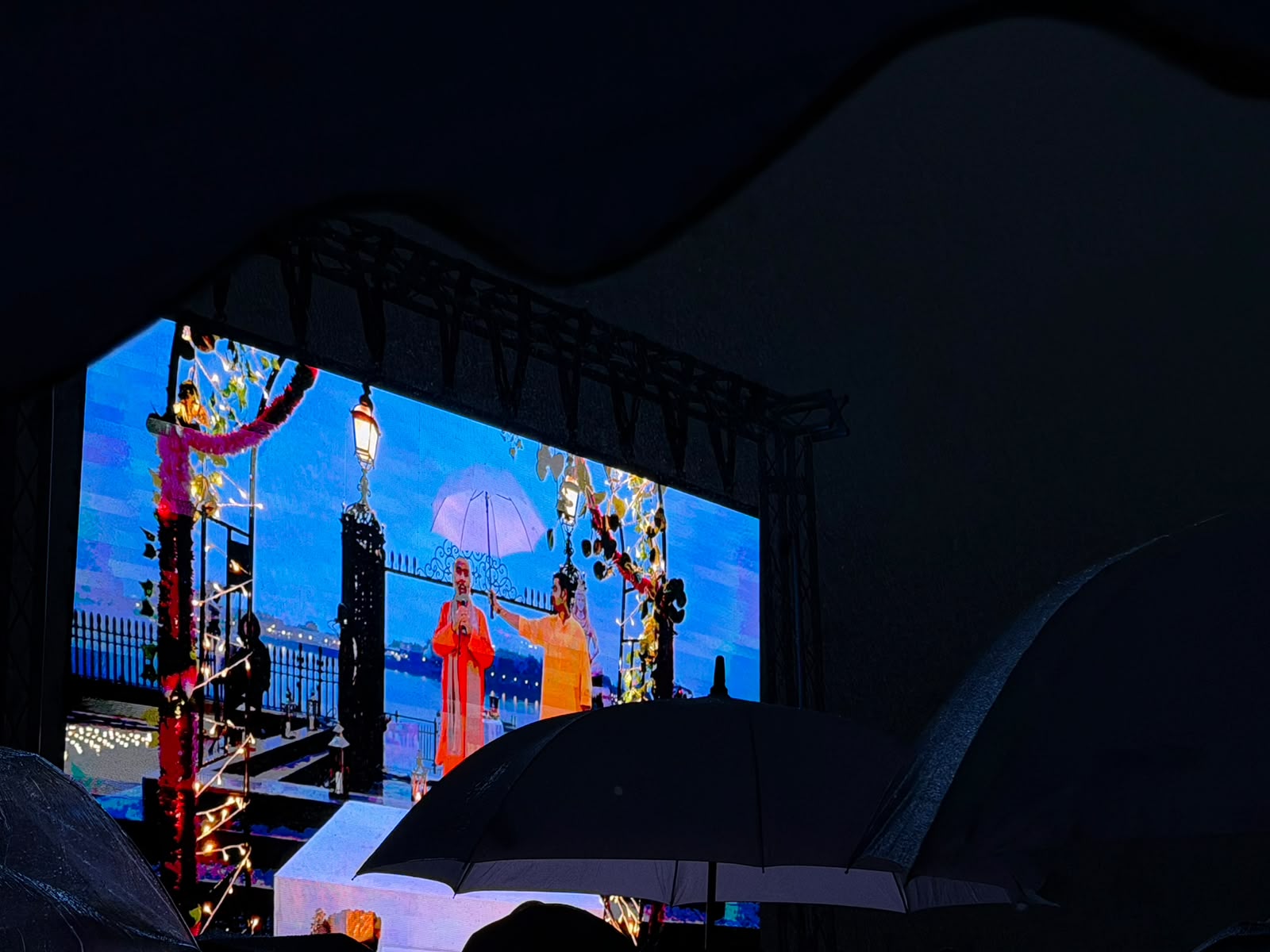
And this felt particularly fitting within the setting of the Ganga Aarti.
The ceremony itself was centered around gratitude: gratitude for the river, for nature, for the people around us and for all that sustains life. The event brought this spirit of gratitude to the Thames, creating a moment of reflection and unity for thousands of people.
As the lamps were raised and the evening came together, the message was beautifully simple:
Many Lamps, One Light. 
Lifelines was honoured to play a small part in bringing CORD’s story of service, empowerment and community-led change to this historic evening.
To learn more about CORD: CORD India – cordindia.in